

Starting at a new program can be daunting for a travel perfusionist. There's a new team, new surgeons and a new setup, plus plenty of unwritten rules, surgeon preferences, and "that's just how we do it here" practices that never made it into a protocol. Staff perfusionists who have been at a program for a while pick these up over months or years, but a traveler often has only a few days to get up to speed.
Programs have good reason to make that transition as easy as possible. A traveler who settles in quickly can become a real, independent part of the team, not someone who needs to be checked on every step of the way. Travelers often cover PTO and parental leave, take on extra cases during surges, and give staff room to breathe during stretches when the schedule is stretched thin. Many also bring experience from a wide range of programs.
So how can programs make sure their travelers are well prepared when they walk in the door?
What Do the Standards Already Ask For?
Most programs already have the building blocks. AmSECT's Standards and Guidelines for Perfusion Practice call for:
- A written protocol for each of its standards, approved by cardiac surgery leadership and the director of perfusion and reviewed every year.
- Emergency protocols that are accessible during an event.
- A documented onboarding process that ensures new perfusionists are oriented and able to perform their duties safely.
- A checklist for every cardiopulmonary bypass case, kept as part of the patient's permanent record.
- A set handoff protocol, such as SBAR, whenever one perfusionist takes over a case from another.
The Joint Commission's orientation requirements also apply to contracted staff, not just employees. Orientation for contracted staff can be shorter than for employees, but it should cover their role, safety procedures and job duties, and it needs to be documented. Missing documentation of contractor orientation is a common finding during surveys.
So the question for most programs is whether the protocols they already have would work for someone walking in cold.
Start Before Day One
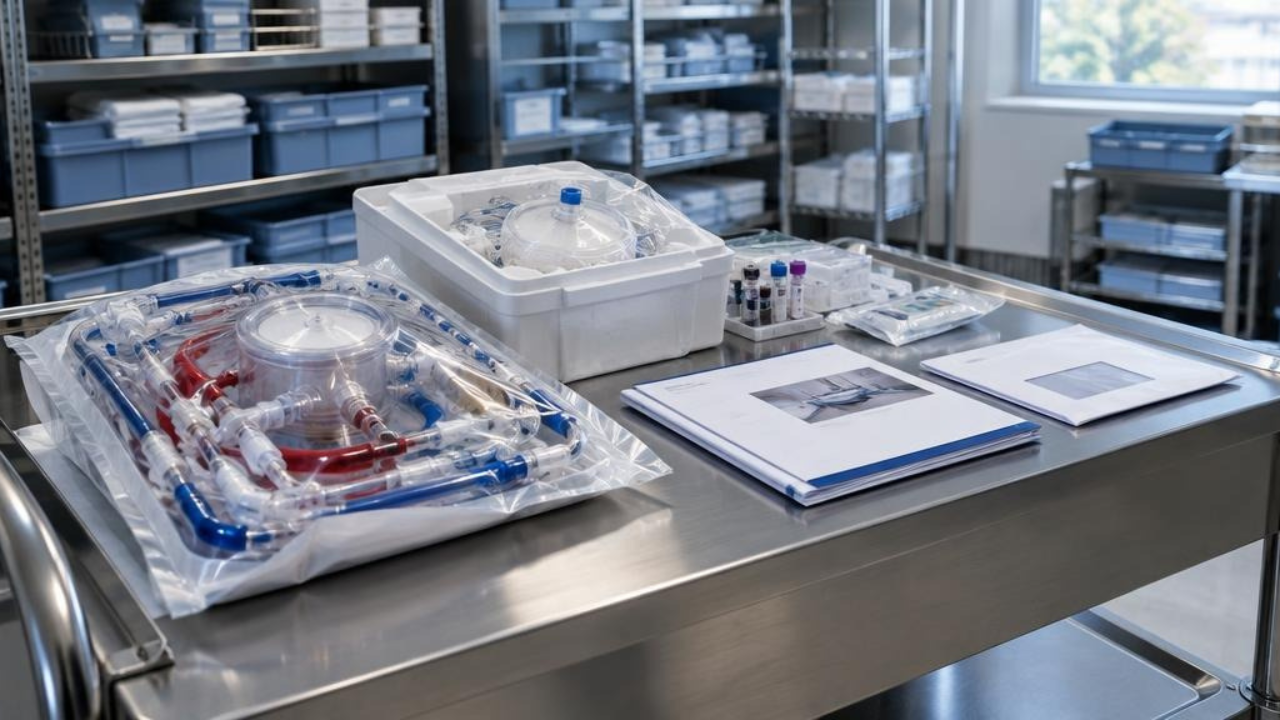
A lot of first-week friction can be solved before the traveler arrives. A good pre-arrival checklist covers:
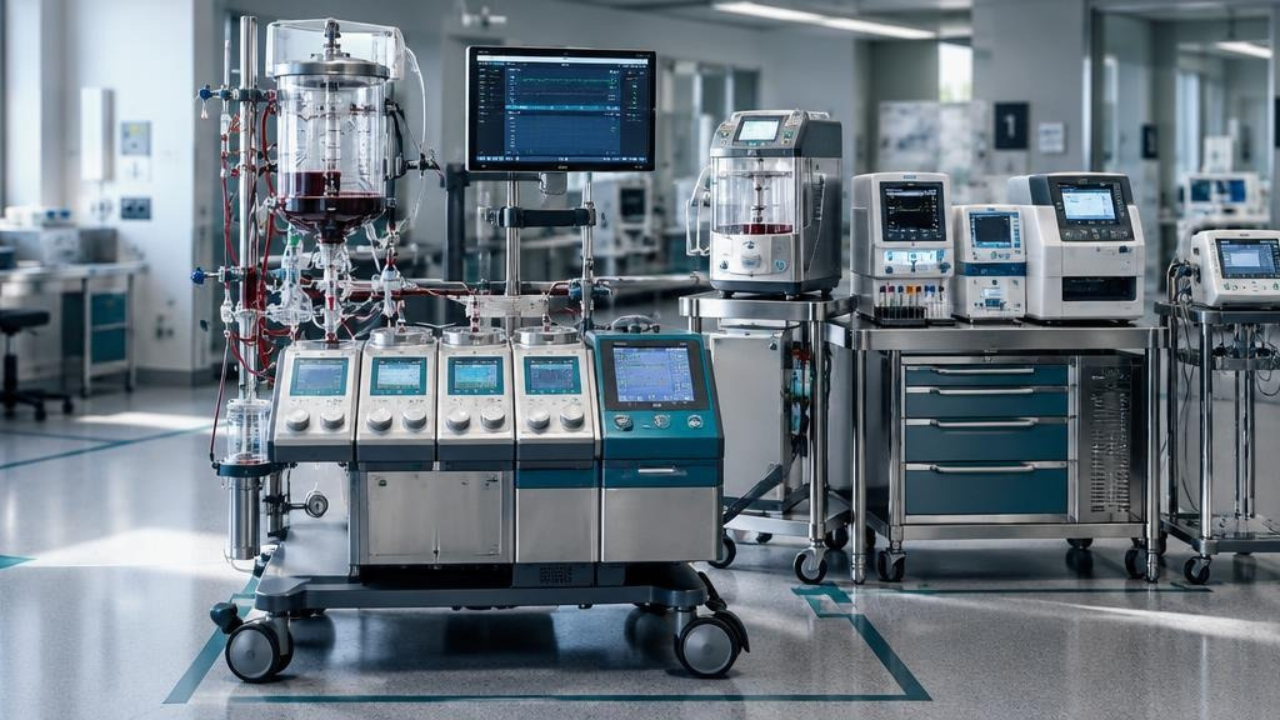
- Equipment. The heart-lung machine model, oxygenators, custom circuit packs, heater-cooler, cell saver, and the point-of-care testing devices used for ACTs and blood gases.
- Standard prime recipes, plus any variations by patient type or surgeon.
- Drugs and responsibilities. Which drugs perfusion gives, which ones anesthesia or the surgeon gives, and how the program labels them.
- Documentation. Whether the program uses paper records, the hospital EMR, or an electronic perfusion record, along with logins requested ahead of time so the first morning isn't spent waiting on IT.
- Key contacts. The chief perfusionist, anesthesia, the blood bank, biomed, and the backup plan if the first call goes unanswered.
- Call logistics. Expected response time, parking, badge access, and where to go on arrival.
Orientation Built Around the Differences
An experienced perfusionist already knows how to run a pump, but what they may not know are the nuances of how a particular program runs its cases. Often the best place to learn that is the room itself.

A paired case, where a staff perfusionist works alongside the traveler from setup to the end of the case, can be one of the most useful ways to handle orientation. It gives the staff perfusionist a chance to walk through the circuit and cardioplegia setup, show where supplies are kept, and explain how the team works with the surgeon and anesthesia. It also gives the traveler a chance to ask questions as they come up, which is often more natural than working through a packet.
One paired case may be plenty for some travelers. Others may appreciate a second, depending on how comfortable they feel and how complex the program's case mix is. The traveler is often the best judge of when they're ready, so asking them directly can help. At smaller programs, where the perfusion team may be just one or two people, a paired case may need to be scheduled around coverage.
It can also help for the staff perfusionist to think ahead about what makes their program different. Most programs have a few practices that might seem unusual to someone from somewhere else. It might be a particular surgeon's preference, a step done in a different order, or a task that belongs to perfusion at one program and to anesthesia at most others. Those details tend to be the most worth pointing out, since a traveler has no way of guessing them.
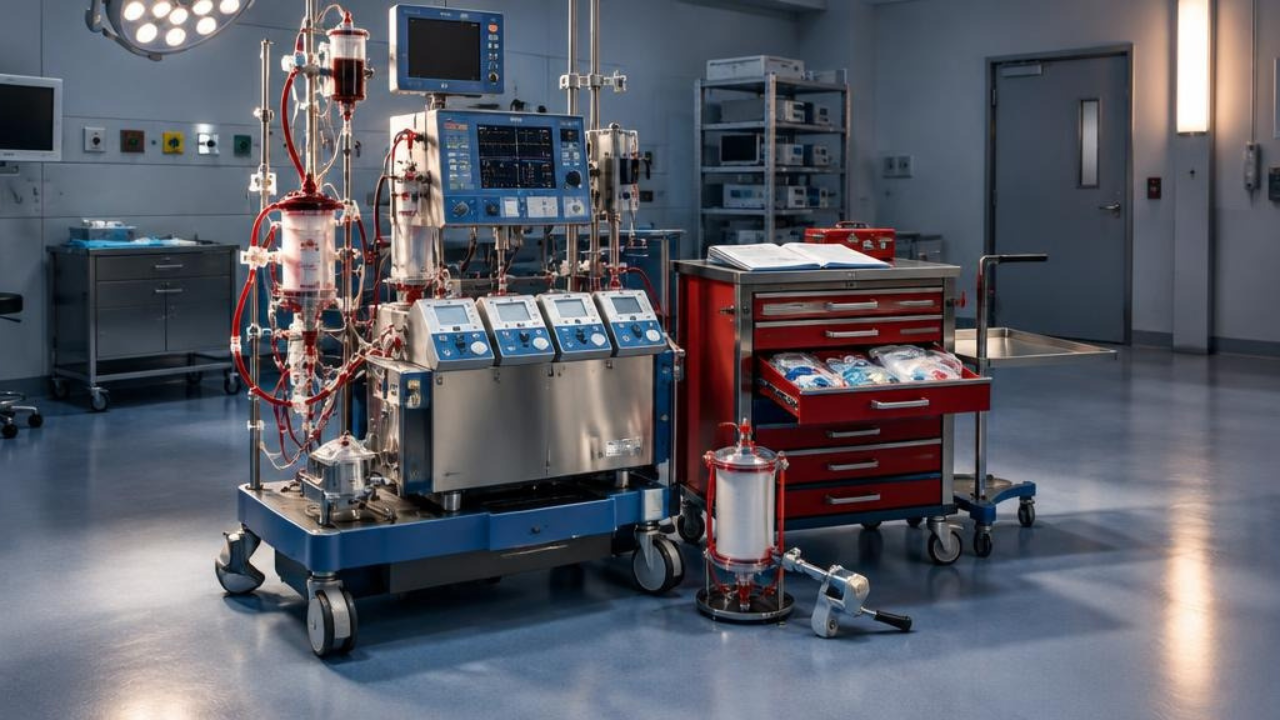
These first cases can also be a natural time to cover emergency preparedness. AmSECT's standards require emergency protocols to be accessible during an event, and they call for a crisis management plan for situations like equipment failure or losing the use of an OR. For a traveler, that may mean learning where the protocols are kept and where to find backup equipment such as the hand crank, backup oxygenator and any primed emergency circuit, well before any of it is needed.
Using the Debrief to Prepare for the Next Traveler
When an assignment ends, the traveler leaves knowing what it was like to start from scratch at your specific program, and that perspective can be hard to get any other way. Staff who have been there for years may not remember what confused them on their first day, and new hires are often hesitant to point out problems. A traveler who has worked at several programs can also make comparisons, which can offer a useful sense of what works well elsewhere.

A short debrief near the end of an assignment can capture that knowledge before the traveler moves on. Scheduling it during the last week, not the last hour of the last shift, tends to give it enough room, and fifteen or twenty minutes with the chief perfusionist is often enough. Helpful questions might include:
- What would have been useful to know before the first day?
- What was hardest to find, or took longest to figure out?
- Was anything surprising about how cases are run here?
- Has another program done something that made starting there easier?
The answers can be even more valuable when they lead to changes. Holes in the pre-arrival packet can be filled before the next traveler arrives, practices that surprised the traveler can be added to the things worth pointing out during paired cases, and anything that exposes a gap in a protocol can go into the program's annual protocol review.
Over time, this can make each onboarding a little smoother than the last, and the benefit may extend beyond travelers. New graduates, new hires and staff returning from leave all go through a version of the same first week, and the same packet and list of program differences can help them too.
Making Every Start Smoother
Some settling-in time is part of any new assignment, but much of what slows travelers down is predictable. A thorough pre-arrival packet, one or two well-planned paired cases, and a debrief that feeds back into onboarding can go a long way toward making every new start easier, whoever is walking in the door.